
Ice fishing safety gear goes beyond just knowing how thick the ice needs to be. Four specific items — ice picks, ice cleats, a spud bar, and a life jacket — protect you if something goes wrong. This guide goes deeper than the basic gear checklist. You'll learn what each item does, how to use it, and why it matters.
Safety & Gear
The 4 Pieces of Ice Fishing Safety Gear Every Ice Angler Needs
By IceCast Safety Team · September 7, 2026
⚠️ SAFETY FIRST: Ice fishing safety gear is only half the equation. You must also verify ice thickness before stepping on any lake. See How Thick Should Ice Be to Walk On?
How Do Ice Picks Work?
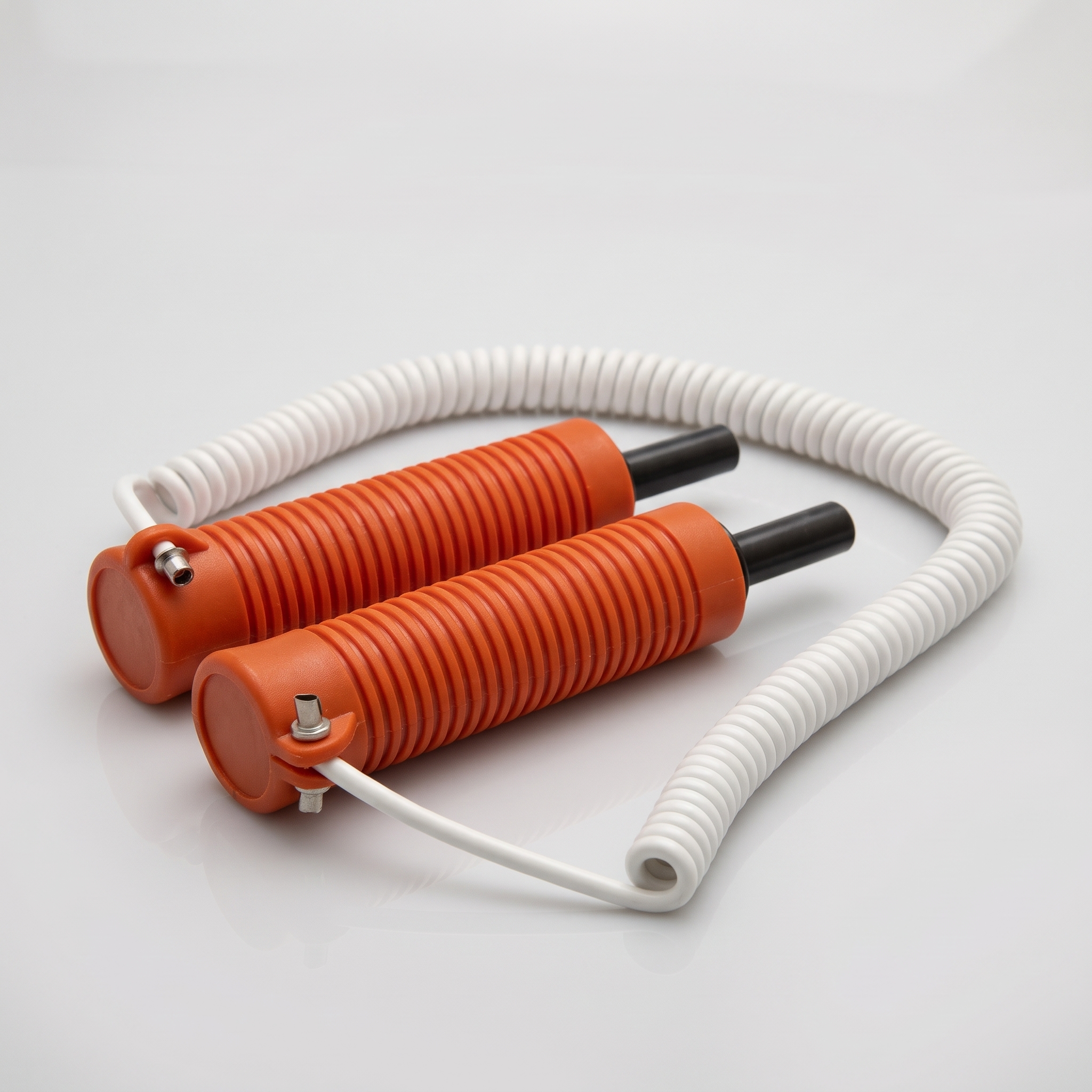
Ice picks are two short handles with sharp, spring-loaded points on the ends. A cord—usually about 18 inches long—connects the two picks. You wear this cord around your neck so the picks hang on your chest, accessible and ready.
When you fall through ice, the picks serve one purpose: grip. The sharp points drive into the solid ice surface. Once they bite, you use them to pull your body out of the water and back onto solid ice.
What to Look For When Choosing Ice Picks
Buy picks rated for ice fishing. They should have sharp points that don't dull easily. The handles should fit comfortably in your hands even when wet and cold. The cord should be strong but not so long that the picks drag on the ground. A quality pair costs $20 to $50.
Where to Wear Ice Picks
Wear your ice picks around your neck, accessible on your chest. Never put them in a backpack or pocket. If you fall through, you won't have time to dig through gear. The picks need to be in your hands within seconds.
What Are Ice Cleats and Why Do You Need Them?
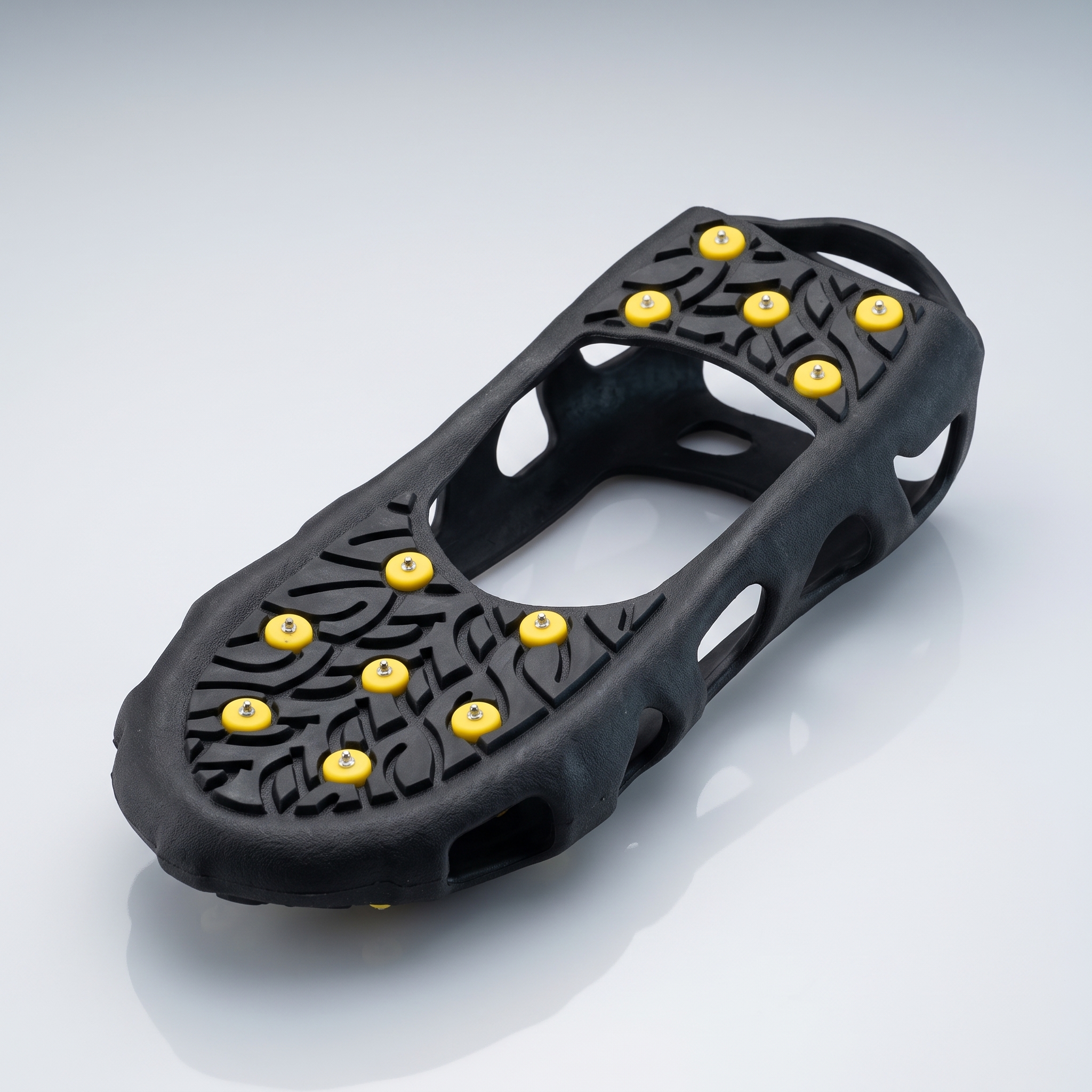
Ice cleats are devices that attach to the bottom of your boots to add traction. They prevent the fall before you ever get near open water. Most falls on ice happen on the walk out, not the walk back—before you've tested the surface or reached your fishing spot.
Steel Studs vs. Coil-Style Traction
Steel studs are small metal points that protrude from the sole. They bite into ice and give you grip with every step. Coil-style traction uses metal coils or springs embedded in a rubber band. Both work. Steel studs grip better on pure ice; coil styles are easier to put on and take off.
When to Put On Ice Cleats
Put on cleats before you step onto the ice, not after you slip once. If you don't have traction from the start, your first step is risky. Once you're on the ice, falling is preventable with cleats. Without them, you slide. Even a short slide can put you in open water.
What Is a Spud Bar and How Do You Use It?
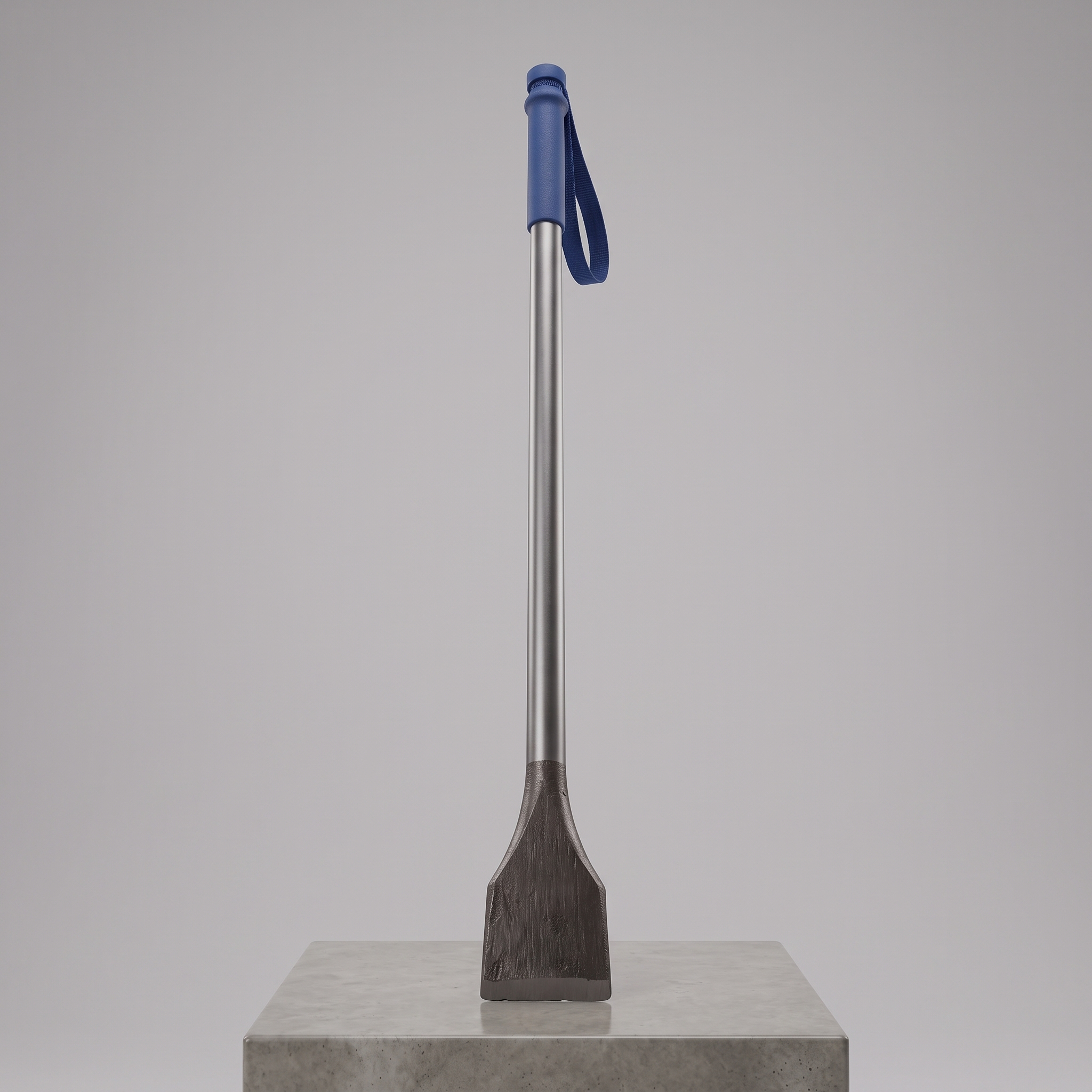
A spud bar is a chisel-tipped pole, usually 3 to 5 feet long. It is not an ice auger. An auger drills a measuring hole. A spud bar is a walking tool. You use it to probe the ice ahead of you as you walk toward your fishing spot.
How to Use a Spud Bar While Walking
As you walk across the ice, strike the spud bar firmly into the surface ahead of you with each step. If the bar breaks through, the ice is too thin and you should turn back immediately. If the bar stops (meaning the ice held), keep walking. This simple test works in real time, step by step.
Turn Back if the Spud Breaks Through
If your spud bar breaks through the ice, do not keep walking. Turn back toward solid ice. Do not try to test again a few feet ahead. The ice is not safe. Leave.
For more detail on ice thickness and walking safety, see our guide to ice thickness and walking safety.
Do You Need a Life Jacket or Float Suit?
Yes. A life jacket or float suit is mandatory ice fishing gear. Even on solid ice, you need buoyancy. If you fall through, a life jacket keeps you afloat while you self-rescue or wait for help.
Float Suit vs. Traditional Life Jacket
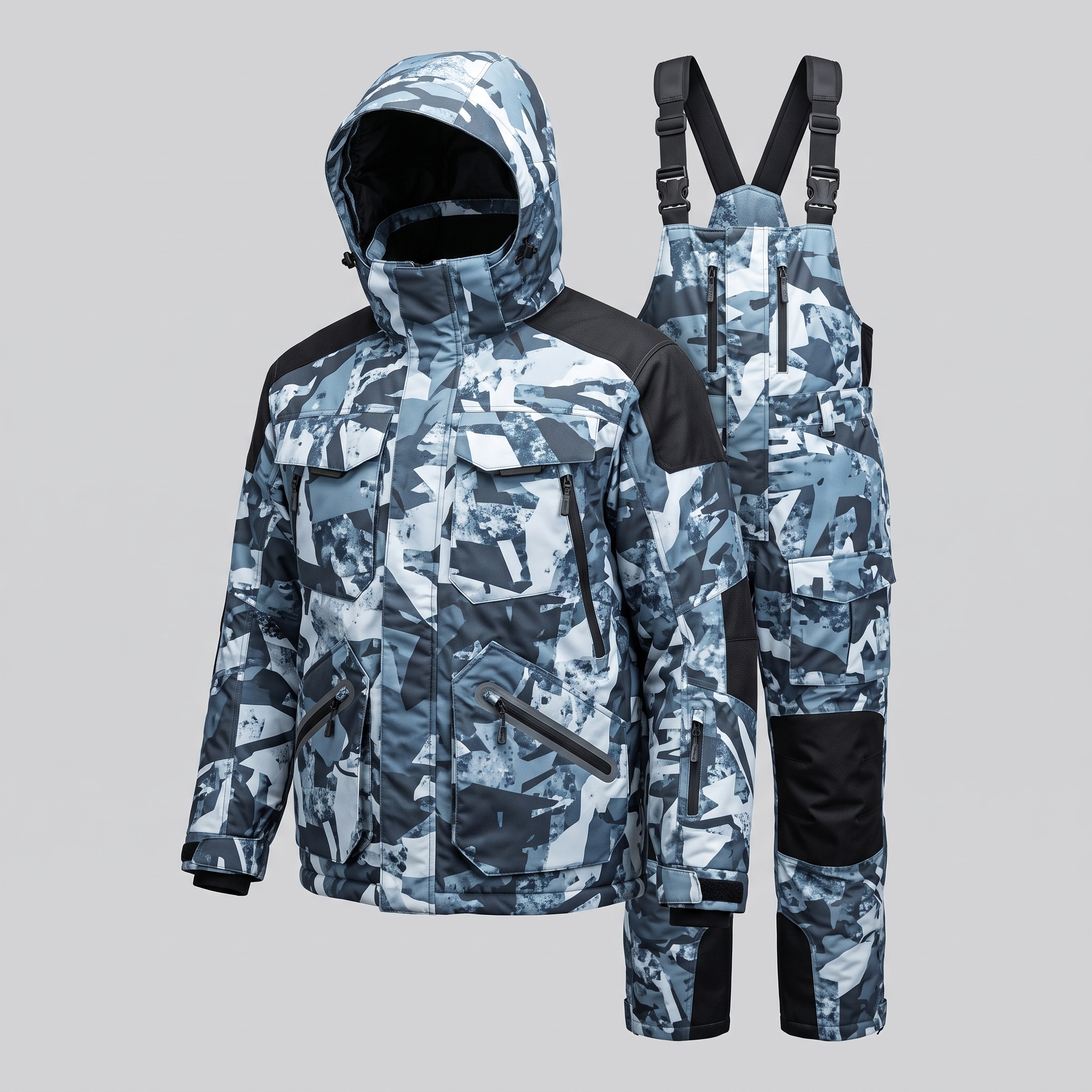
A float suit is a full-body garment that combines insulation and flotation. It's thick, warm, and doubles as a life jacket. A traditional life jacket is a separate flotation device worn over your regular clothes.
Float suits are better for ice fishing because they keep you warm and provide flotation in one piece. Traditional life jackets work too, but you still need heavy insulation underneath. Most ice anglers prefer float suits.
U.S. Coast Guard Approval
Your life jacket or float suit must be U.S. Coast Guard-approved (USCG Type III or higher). This label guarantees it meets flotation standards. Do not buy unlabeled flotation gear.
What Do You Do If You Fall Through the Ice?
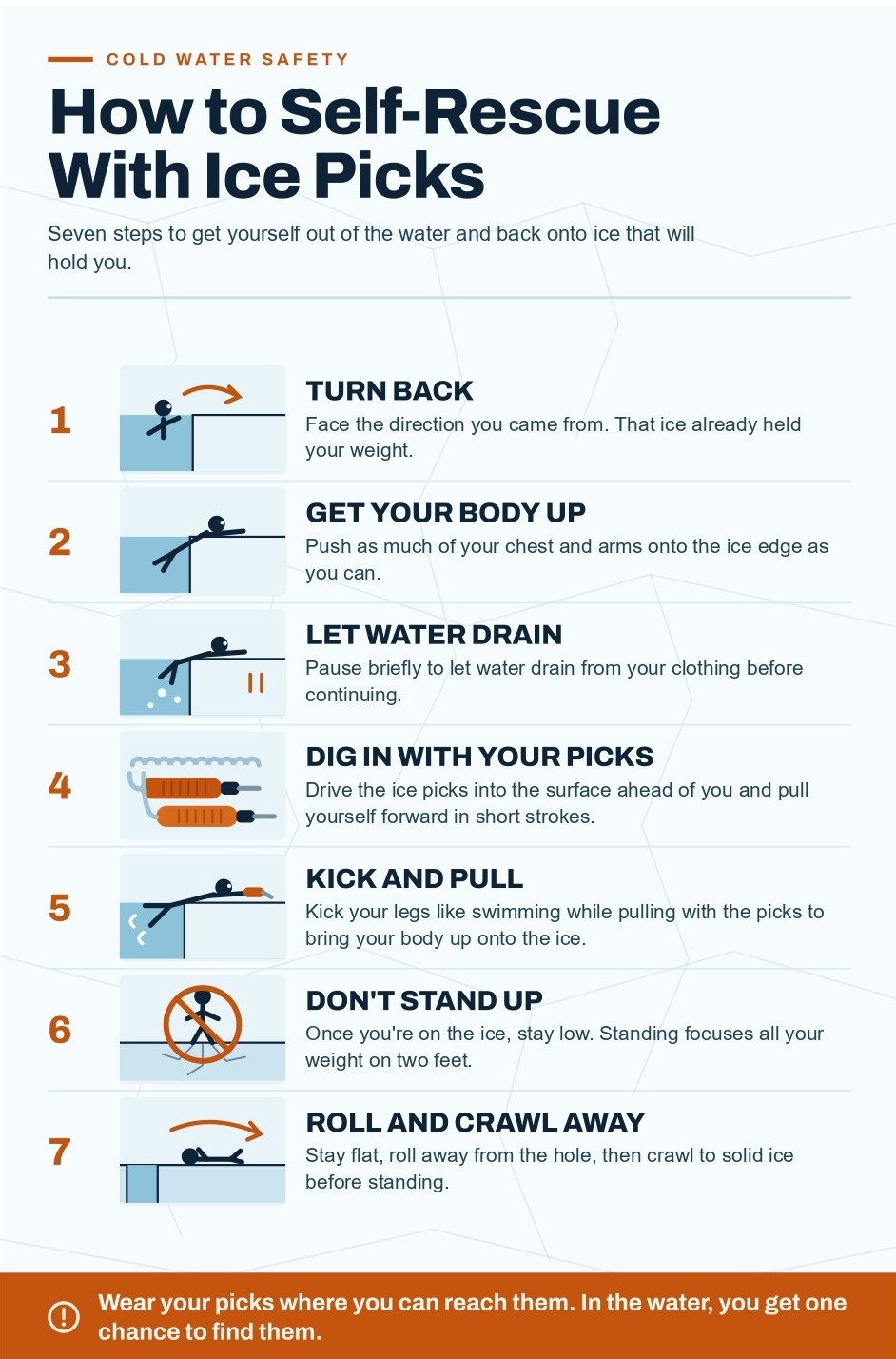
If you break through, stay calm. Your ice picks, cleats, and life jacket all work together. The following 7-step sequence gets you out. This technique has been verified by rescue services and ice safety organizations across North America.
The 7-Step Ice-Pick Self-Rescue
- Turn back. Face the direction you came from. That ice already held your weight. You're heading toward solid ground, not deeper into danger.
- Get your body up. Push as much of your chest and arms onto the solid ice edge as you can. Use your legs to thrust your upper body out of the water.
- Drain water briefly. Pause for just a moment once your chest is out. Let water run off your face and out of your mouth. Hypothermia is a risk, but drowning is immediate.
- Dig in with your picks. Drive your ice picks into the surface ahead of you. The sharp points will bite and hold. You now have grip.
- Kick and pull. Kick your legs like you're swimming. At the same time, pull yourself forward in short, powerful strokes using the picks. Move in the direction of solid ice (the way you came).
- Don't stand up. Once your waist and legs are on the ice, stay low. Don't stand. Your weight is not distributed evenly when you stand, and the ice might break again.
- Roll and crawl away. Stay flat on the ice. Roll your body away from the hole, putting distance between you and open water. Then crawl on your belly or hands and knees until you reach the ice you walked out on. Only then can you stand.
Why Your Picks Must Be Accessible
This entire sequence assumes you can reach your ice picks within seconds. If they're in a pocket or bag, you won't find them in time. Wear picks around your neck. When you're in the water, you get one chance to find them. Make that one chance count.
DISCLAIMER:Ice fishing is a dangerous activity. People die every year falling through ice. This guide is educational only and lists safety techniques, not a substitute for professional training or local verification. Always bring a partner, test ice yourself, wear a life jacket, and follow guidance from Colorado Parks & Wildlife and Minnesota DNR. See our Terms of Service for full details.
Frequently Asked Questions
What is a spud bar used for?
A spud bar is a chisel-tipped pole used to probe ice ahead of you as you walk. Strike it into the ice with each step. If it breaks through, the ice is too thin and you should turn back. It is not used to drill holes; that is what an ice auger does.
How do ice picks work?
Ice picks are small handles with sharp spring-loaded points, connected by a cord worn around your neck. If you fall through ice, you drive the picks into the surface and use them to pull yourself up and out of the water.
What should you do if you fall through ice?
Turn back toward the direction you came from (that ice already held your weight). Get your chest and arms onto the solid ice, drain water briefly, then drive your ice picks into the surface ahead and pull yourself forward in short strokes. Kick your legs like swimming while pulling with your picks. Stay low once you are on the ice, then roll and crawl away from the hole.
Do I need a life jacket for ice fishing?
Yes. A U.S. Coast Guard-approved life jacket or float suit provides buoyancy if you break through the ice. A float suit is thicker and warmer for winter conditions. Either works, but wear one every time you fish on ice.
What is the difference between a float suit and a life jacket?
A float suit is a full-body insulated garment that doubles as a life jacket and keeps you warm. A traditional life jacket is a separate flotation device worn over your clothes. Float suits are warmer and more practical for ice fishing, but traditional life jackets work too.
Connect These Four Items Together
Ice picks, ice cleats, a spud bar, and a life jacket work as a team. The cleats prevent a fall. The spud bar tests the ice as you walk. The life jacket keeps you afloat if something goes wrong. The picks let you pull yourself out.
Together, they give you the best chance of staying safe on ice. None of them work alone. Use all four.
Before You Fish, Check the Ice
Safety gear is essential, but it is only half of ice fishing safety. You also need to know the ice thickness at your lake. Always bring a partner. Always test the ice yourself before fishing. Always verify conditions locally.
For a complete guide to ice safety and gear, see the Ice Fishing Gear Guide 2026–2027.
Author: IceCast Safety Team · Published: September 7, 2026. Verified against self-rescue techniques from International Association for Ice Rescue Specialists, Colorado Parks & Wildlife, and Minnesota DNR.